
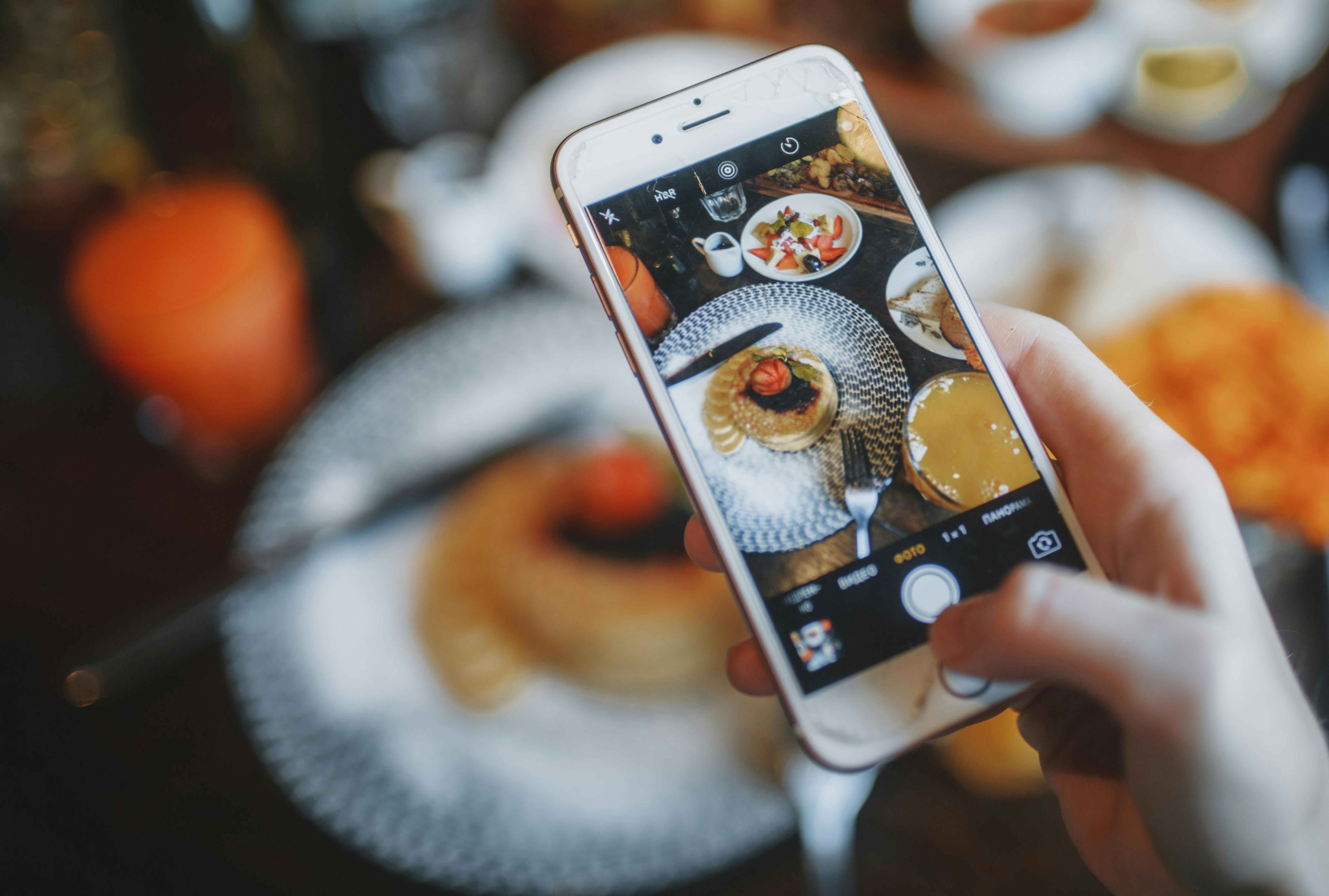
Restaurant influencer marketing has become one of the fastest-growing ways to attract new diners.
Restaurants partner with TikTok creators.
Invite Instagram food influencers.
Host tasting events.
Launch creator campaigns.
The goal is always the same:
Bring more customers through the door.
But after the campaign ends, most restaurant owners are left asking one question:
Did it actually work?
For many restaurants, the honest answer is:
There's no way to know.
That's why measuring influencer marketing ROI has become one of the biggest challenges in restaurant marketing.
The Problem: Restaurants Are Measuring the Wrong Things
Most influencer campaigns are judged by metrics like:
Views
Likes
Comments
Shares
Reach
Those numbers can be exciting.
But they don't answer the question restaurants actually care about:
How many customers did this creator bring?
A video with 200,000 views might generate very little business.
Meanwhile, a local creator with a much smaller audience may quietly bring dozens of first-time diners through the door.
Without measurement, those campaigns look impossible to compare.
Why Restaurant Influencer ROI Is So Difficult
Unlike online stores, restaurants operate offline.
Someone watches a TikTok today.
Visits three days later.
Pays with a credit card.
Leaves.
Nothing naturally connects that visit back to the creator who influenced it.
That creates a major attribution gap.
Restaurants often can't answer questions like:
Which creator generated the visit?
Was this customer new?
Did they come back?
Which creator produced the greatest return?
Without attribution, creator marketing becomes guesswork.
Why Views Don't Equal Revenue
High engagement doesn't always translate into customers.
There are several reasons.
Audience Location
Many creators have audiences spread across different cities or countries.
Those viewers may love the content but have no opportunity to visit the restaurant.
Passive Engagement
People frequently like, save, or share food videos simply because they enjoy watching them.
Enjoying content doesn't necessarily mean planning a visit.
Delayed Visits
A diner may save a creator's recommendation and visit weeks later.
Without attribution, that visit becomes impossible to connect back to the original campaign.
Virality creates awareness.
Attribution proves customer acquisition.
What Restaurants Should Actually Measure
Instead of focusing on engagement alone, restaurants should measure customer behavior.
The most valuable metrics include:
Verified Customer Visits
How many diners actually visited because of a creator?
First-Time Customers
Did the campaign introduce new customers or simply attract existing regulars?
Repeat Visits
How many creator-driven customers returned after their first experience?
Cost Per Acquired Diner
How much marketing spend was required to generate each new customer?
Customer Lifetime Value
How much revenue does a creator-generated customer produce over time, not just during the first visit?
Those metrics connect creator marketing directly to business performance.
Attribution Changes Everything
When restaurants understand exactly which creators generate customers, every future campaign becomes smarter.
Instead of guessing, restaurants can:
Continue working with high-performing creators.
Improve future marketing investments.
Eliminate campaigns that don't produce results.
Build long-term creator partnerships based on performance.
Measurement transforms creator marketing from experimentation into optimization.
The Rise of Performance-Based Creator Marketing
As attribution improves, creator partnerships are changing too.
Instead of paying entirely upfront, many restaurants are adopting performance-based models.
That can include:
Payments tied to verified visits
Bonuses for first-time customers
Rewards for repeat diners
Long-term creator partnerships based on measurable results
When everyone is measured using the same customer outcomes, incentives naturally become aligned.
Creators succeed when restaurants succeed.
How DishPair Helps Restaurants Measure Influencer ROI
DishPair was built to close the gap between online creator content and offline restaurant visits.
Instead of relying on social engagement alone, DishPair connects every stage of the customer journey.
Acquire
Partner with vetted local food creators whose audiences are likely to become customers.
Measure
Every creator receives a unique DishPair link, allowing restaurants to attribute verified customer visits to the creator who influenced them.
Retain
Turn first-time diners into repeat customers through loyalty experiences like Bite Drops and Stars.
Re-engage
Automatically reconnect with customers through personalized SMS that encourages future visits.
Optimize
Identify which creators consistently generate the strongest long-term customer growth and invest more confidently in future campaigns.
Instead of measuring posts, restaurants measure customers.
Real Campaign Results
Attribution isn't just theoretical.
Across one DishPair campaign for HAAM, a New York City restaurant, four creator collaborations generated 37 verified customer tables in just 30 days.
Instead of estimating whether the campaign worked, the restaurant could see exactly how many verified visits were generated and which creator partnerships contributed to those results.
That's the difference between marketing that feels successful and marketing that's measurable.
The Future of Restaurant Influencer Marketing
Creator marketing isn't becoming less important.
It's becoming more accountable.
The restaurants that grow fastest won't simply work with more creators.
They'll understand:
Which creators drive first-time diners.
Which creators generate repeat customers.
Which campaigns create the greatest long-term customer value.
That's the future of restaurant marketing.
Not more content.
Better measurement.
Final Thoughts
Restaurant influencer marketing has never been more powerful.
But measuring it has never been more important.
Views, likes, and impressions may indicate attention.
Customer visits indicate business growth.
Restaurants that measure verified customer behavior—not vanity metrics—will make better creator partnerships, improve marketing ROI, and build more sustainable growth over time.
DishPair helps restaurants connect creator content to verified customer visits, making influencer marketing measurable from discovery to repeat business.