
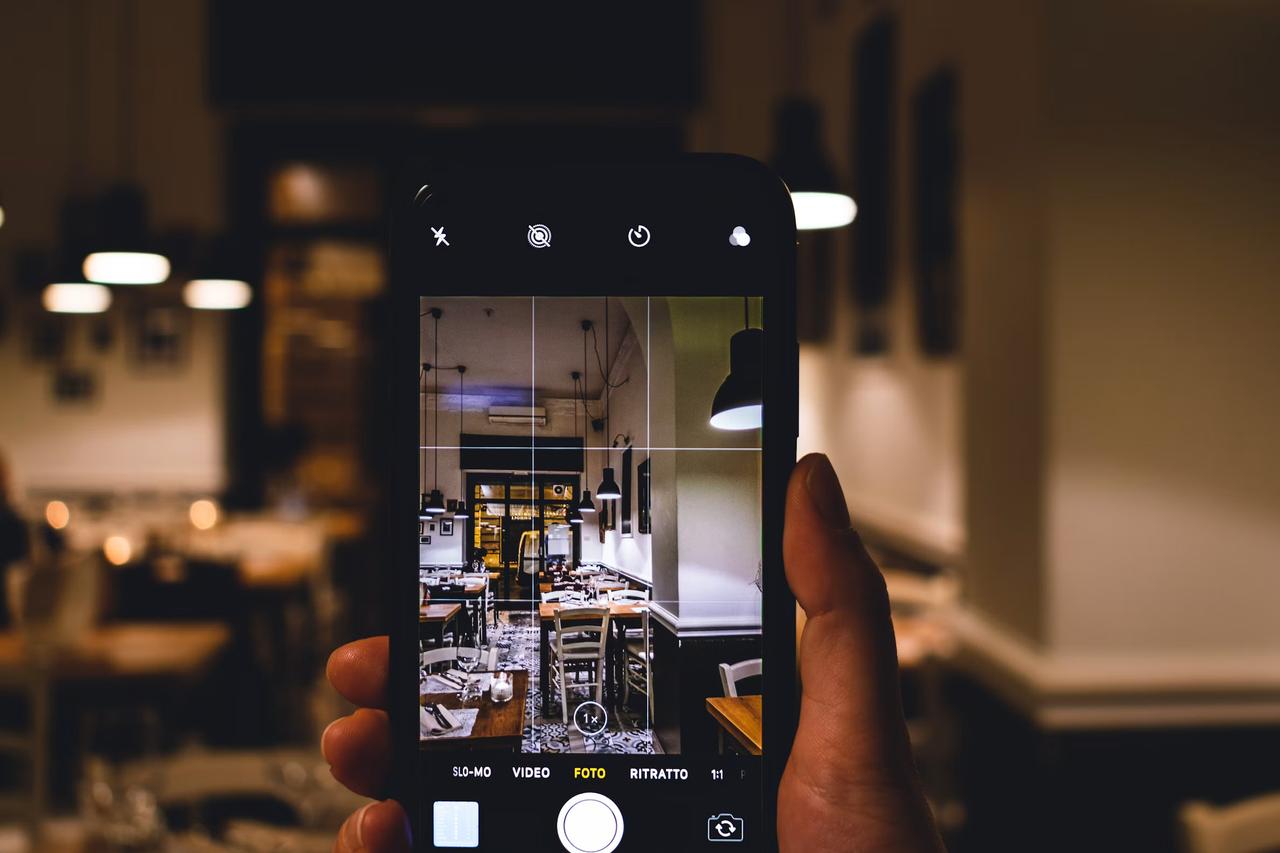
A creator posts your restaurant on Tuesday.
The Reel gets 80,000 views. Your Instagram gains a few hundred followers. Reservations pick up that weekend. Maybe a few customers even mention they saw you on TikTok.
Two weeks later, traffic is back to normal.
So you book another creator.
Then another.
Eventually, every restaurant owner asks the same question:
Is monthly influencer marketing actually sustainable, or am I just renting attention one post at a time?
The answer depends less on how often you work with creators and more on what happens between campaigns.
If every collaboration starts from zero, generates a burst of views, and disappears, monthly influencer marketing can become an expensive cycle.
But if each campaign gives you more content, better performance data, new customers, and more opportunities to bring those customers back, something different happens.
Each campaign starts making the next one more valuable.
The goal isn't simply to do influencer marketing every month. The goal is to make every month of influencer marketing more valuable than the one before it.
Why one-off influencer campaigns spike and fade
One creator post gives your restaurant temporary distribution.
A creator introduces you to some portion of their audience. A small percentage may be looking for somewhere to eat immediately. Others save the video. Some remember your name. Many simply keep scrolling.
That's not necessarily a failure.
Restaurant decisions don't always happen at the moment someone discovers you.
Someone might see your restaurant today but need a recommendation for:
Date night next Friday
Brunch three weeks from now
A birthday dinner next month
Dinner the next time they're in your neighborhood
Somewhere to take friends visiting the city
If they see your restaurant once and never encounter it again, there's a good chance they'll forget about it before that moment arrives.
That's one reason a single viral post can produce a spike without creating sustained growth.
One-off campaigns generate attention. Consistent creator marketing has the potential to build familiarity.
And familiarity changes how customers respond when they encounter your restaurant again.
What compounds when restaurants work with creators consistently?
The strongest argument for ongoing creator marketing isn't simply that you generate more posts.
It's that several assets can begin compounding at the same time.
1. You build a library of content around your restaurant
One creator video is a campaign.
Twenty videos from different creators become a body of content around your restaurant.
Each creator might highlight something different:
Your signature dish
The atmosphere
A date-night experience
Your brunch
A seasonal menu
A chef story
A new cocktail
A hidden menu item
That matters because diners increasingly encounter restaurants through social content while researching where they want to eat.
Instead of finding one piece of content about your restaurant, a potential customer can encounter multiple creators independently talking about different reasons to visit.
The restaurant itself isn't the only one saying:
“You should eat here.”
Other people are telling the story for you.
And the content doesn't necessarily stop creating value the day it's posted. People can discover it later through search, shares, saves, creator profiles, and paid amplification.
A campaign ends. A content library keeps working.
2. Repetition turns discovery into validation
Think about how you personally discover restaurants online.
The first time you see a dish from a restaurant:
“That looks good.”
Then another creator posts the same restaurant a few weeks later:
“I've seen this place before.”
Then you see it again:
“Okay, I need to try this.”
Something important has happened.
The restaurant hasn't necessarily changed.
Your perception of it has.
The first piece of content created awareness.
The next few created familiarity and validation.
Seeing different people independently recommend the same restaurant can make it feel less like an unknown option and more like a place worth trying.
That's difficult to accomplish with a single creator collaboration.
Consistent creator marketing gives restaurants more opportunities to stay visible throughout the customer's decision cycle.
3. Your restaurant gets a distribution channel for everything new
Restaurants constantly create things worth talking about.
The problem is often distribution.
You launch:
A new menu.
Who knows?
You open:
A patio for summer.
Who knows?
You add:
Weekend brunch.
Who knows?
You hire a new chef, launch a seasonal dish, introduce happy hour, open another location, host an event, or create a limited-time special.
Restaurants already produce news throughout the year.
What many don't have is a reliable way to distribute that news beyond their existing followers and customers.
A consistent network of creators can become that distribution channel.
Instead of asking:
“What should our influencers post this month?”
you can ask:
“What's happening at the restaurant this month that's worth talking about?”
Now the content has a reason to exist.
4. You learn which creators actually drive customers
This is where consistent influencer marketing can become dramatically more valuable — if you're measuring it properly.
Imagine two creators promote your restaurant.
Creator A
150,000 views
8,000 likes
4 verified customers
Creator B
25,000 views
1,500 likes
31 verified customers
Which creator should you work with again?
If you're measuring views and engagement, probably Creator A.
If you're measuring customers, probably Creator B.
After one campaign, that's useful information.
After dozens of campaigns, it becomes something much more valuable:
performance data.
You begin learning:
Which creators actually drive visits
Which audiences convert
Which dishes generate customer interest
Which offers perform
Which creator sizes work best
Which campaigns produce repeat customers
Which creators are worth working with again
Your first campaign starts with assumptions.
Your twentieth shouldn't.
Consistent creator marketing becomes more valuable when every campaign teaches you how to make the next one better.
5. Creator relationships can improve over time
There's also an operational benefit.
A creator visiting your restaurant for the first time needs context.
They need to learn:
Your story
Your menu
What to order
What makes you different
What you want highlighted
How the collaboration works
A creator who's already worked with you knows much of that.
By the third or fourth collaboration, they may know the staff, understand the restaurant's personality, and have a better sense of what their audience responds to.
That can make future collaborations easier and the storytelling more natural.
But that doesn't mean you should use the same three creators every month.
A strong creator strategy combines proven performers with new creators who introduce your restaurant to new audiences.
When monthly influencer marketing becomes a waste of money
There is another side to this.
Doing influencer marketing every month does not automatically make it sustainable.
In fact, consistently doing it the wrong way can simply mean consistently wasting money.
Here are three situations where monthly creator marketing breaks down.
1. You're paying for views instead of customers
The traditional influencer marketing report looks something like:
143,000 views
8,200 likes
427 saves
312 shares
Those numbers can be useful.
But there's another number the restaurant owner probably cares about more:
How many people actually came in?
Without customer attribution, you're forced to infer performance from social engagement.
That makes it difficult to answer basic questions:
Which creator generated customers?
How many were first-time guests?
How much revenue did they generate?
What did it cost to acquire each customer?
Which creators should we work with again?
If you can't answer those questions, monthly influencer spend can become a subscription to hope.
You keep paying creators because the content appears to be performing without knowing whether the restaurant is actually generating a return.
Sustainable creator marketing requires knowing what to repeat and what to stop.
2. You keep reaching the same people
More creators doesn't automatically mean more incremental reach.
Food creators in the same city can have overlapping audiences.
If you repeatedly work with creators who appeal to the exact same customer, eventually you're paying to reach people who have already heard about you.
That's why creator rotation matters.
Restaurants can diversify collaborations across:
Neighborhoods
Audience demographics
Cuisine interests
Creator sizes
Content styles
Platforms
Proven performance
The goal isn't simply to generate more content.
It's to continually introduce the restaurant to relevant potential customers while still using creators who have demonstrated that they can drive results.
3. You're filling a leaky bucket
This may be the biggest problem of all.
Imagine creator marketing brings your restaurant 50 new customers this month.
Great.
But almost none of them return.
Next month, you need to acquire another 50.
Then another 50.
Then another 50.
You're constantly paying to refill the same bucket.
That's not compounding growth.
It's repeated customer acquisition.
This is why the sustainability of influencer marketing isn't just an influencer marketing question.
It's also a retention question.
Creator content can generate the first visit.
Something else has to earn the second.
Customer acquisition alone doesn't compound
This is the fundamental difference between a campaign and a customer growth engine.
Imagine two restaurants each acquire 50 new customers through creators this month.
Restaurant A
Acquires 50 customers.
Doesn't know which creators generated them.
Doesn't capture customer information.
Doesn't have a retention strategy.
Next month, it starts over.
Restaurant B
Acquires 50 customers.
Knows exactly which creators generated them.
Identifies which campaigns produced the strongest customers.
Captures those customer relationships.
Brings some of them back.
Uses the performance data to improve next month's creator roster.
Both restaurants ran influencer campaigns.
But only one is building something that becomes more valuable over time.
The sustainable model looks like this:
Acquire → Attribute → Retain → Repeat
Creator content brings someone through the door for the first time.
Attribution tells you what caused that visit.
Customer data gives you a way to maintain the relationship.
Retention turns that first visit into a second and third.
Performance data makes the next acquisition campaign smarter.
That's when monthly creator marketing stops being a collection of disconnected posts.
It becomes a customer growth system.
What does a sustainable monthly influencer strategy look like?
You don't need dozens of creator collaborations every month.
Consistency and measurement matter more than sheer volume.
Here's what a simple monthly rhythm might look like.
1. Activate a small roster of creators
Start with a manageable number of creator partnerships each month.
Mix creators who have already demonstrated strong performance with new creators who can introduce the restaurant to different audiences.
2. Give creators something timely to talk about
Tie campaigns to something real happening at the restaurant.
That might be:
A new dish
A seasonal menu
Weekend brunch
A special event
A new location
A chef story
Happy hour
A limited-time experience
You don't need to manufacture a reason to post every month.
Restaurants naturally create new stories.
Use them.
3. Track each creator individually
Don't throw every campaign into one bucket.
Each creator should have their own attribution mechanism so you can understand what happens after someone sees their content.
At minimum, pay attention to:
Verified visits per creator
Cost per verified customer
Repeat customer rate
Social metrics can help explain performance, but business outcomes should determine where you invest next.
4. Put more behind what's working
If certain creators consistently generate customers, work with them again.
If certain content performs particularly well, consider amplifying it through paid advertising when you have the appropriate usage rights.
If something doesn't generate meaningful results, change it.
This sounds obvious.
But you can only do it if you're measuring beyond views.
5. Capture the customers you acquire
The first visit shouldn't be the end of the relationship.
Give new customers a reason to identify themselves and stay connected with your restaurant.
Over time, you're no longer just building social reach.
You're building an owned customer audience.
6. Give them a reason to return
The economics get significantly better when a customer acquired through a creator returns without requiring another creator acquisition.
That can happen through:
Loyalty
Rewards
Personalized offers
SMS
New menu announcements
Events
Other retention campaigns
The creator's job was to create the first introduction.
Your restaurant's job is to turn that introduction into a relationship.
7. Repeat based on what you learned
This is where the compounding happens.
Month one gives you data.
Month two uses it.
Month three has even more.
Over time, you should understand more about which creators, audiences, offers, and campaigns actually produce customers for your restaurant.
The goal isn't to do influencer marketing every month.
The goal is to make every month of influencer marketing more valuable than the one before it.
So is monthly influencer marketing worth it for restaurants?
It can be.
But simply paying creators every month isn't a strategy.
Monthly influencer marketing becomes sustainable when each campaign contributes something that lasts beyond the original post:
More creator content.
More customer awareness.
More performance data.
More new customers.
More customer relationships.
More repeat visits.
If every month starts from zero, you're renting attention.
If every month builds on the previous one, you're building a growth channel.
That's the difference.
Turn creator marketing into a customer growth engine
This is the model DishPair is built around.
DishPair helps restaurants acquire new diners through vetted creators and paid ads, measure which marketing actually leads to customer visits and revenue, and turn first-time guests into regulars through loyalty and automated customer engagement.
Instead of ending every creator campaign by asking:
“How many views did we get?”
restaurants can answer the question that actually matters:
“How many customers did our marketing bring in and how many came back?”